Better Than a Potluck?
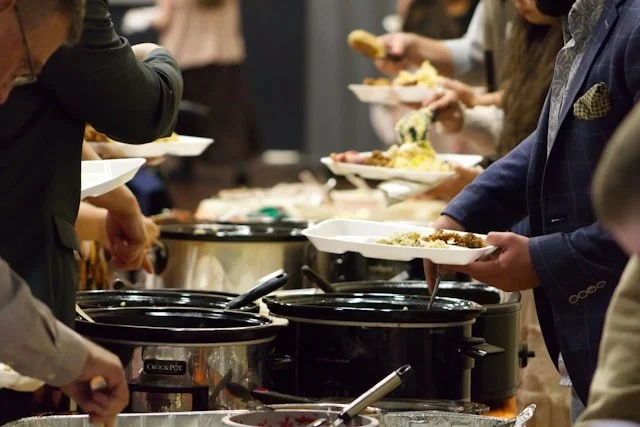
Methodists, Midwesterners, and many worldwide cultures are conditioned early to hold sacred the art and practice of the potluck.
As a child I was lucky to have over 20 members of my extended family living in Seattle (often a dozen of us in our house alone). For a period, Sundays were synonymous with potlucks at the house. We didn’t always have traditional Filipino food like on holidays and birthdays, but we could always rely on Tita Josie supplying Albertson’s deli fried chicken and jojos. Another person would inevitably bring a bucket of KFC (to provide variety??), and around these Sunday staples would crowd the rest of the meal.
For our family, potlucks were the key to bringing us together. Regardless of family conflict, financial woes, or immigration status, we could always count on the potluck. In those stomach stuffed Sunday afternoons, I would sit on the stairs with my cousins and think, there is nothing better than a potluck!
This proclamation lingered unexamined until this week’s Ethnic Ministries Summit.
The Summit was a gathering of ethnic caucus leaders and ethnic clergy in the UMC’s Western Jurisdiction. The Western Jurisdiction Inter-Ethnic Coordinating Committee (WJIECC) and the Greater Northwest Commission on Ethnic Ministries (COEM) brought us together for rest, connection, and caucusing, tending to the health of our clergy and our connectional relationships for the ministry ahead.
As we gathered our delightfully diverse selves into the space, the opening plenary speaker spoke about togetherness as a key aspect of sustained Christian community.
“Togetherness is more than a potluck,” she said.
More than a potluck? My childhood self would have been scandalized.
As seasoned potluck goers, though, we do know that not all potlucks are created equal. Whether because of unclear expectations, bad timing, inadequate hosting, or the mood of the participants, some potlucks fail to foster any sense of togetherness at all. Rather than satisfyingly full stomachs and souls, we can have a plate of unexceptional food and tasteless small talk, leaving somehow emptier than when we came.
This is because togetherness needs more than a few disparate covered dishes to realize.
Togetherness is indeed more than a potluck: it requires active participation, vulnerability, and intentional sustained effort to cultivate relationship. Without these elements, we can gather together and even break bread with one another, but still not foster the key features of community that the church in Acts knew when scripture said, “they were all together in one place” (Acts 2:1b).
Throughout the Summit, we cultivated this togetherness, showing up with our energy and our stories, in vulnerability and honesty, judgment withheld, and with the intention to continue to cultivate the relationships forming or re-forming.
Across breakfast tables were conversations in Korean, Spanish, Tongan, Tagalog, and our bridging language, English. Every mealtime, elevator ride, and workshop presented a chance to cultivate togetherness across language, dialect, and ministry experience. The guard down, non-competitive honesty, and genuine curiosity that framed these conversations is what transformed them from small-talk networking into moments of mutual support.
Particularly meaningful to me were conversations with other Asian American clergywomen; a true gift I don’t get to experience often.
Our togetherness also allowed us to have frank conversation about the power of our shared voice as ethnic caucuses and ethnic leaders as the global denomination makes progress on regionalization.
Though the food at the Summit was unremarkable (and hotel catering doesn’t remotely count as a potluck), the togetherness was divine. I often leave a conference with more networked contacts than when I came, but rarely do I come away with depth of relationship.
Now returned from the Summit, I celebrate all the moments that we have as a body of Christ and as neighbors together on the journey where we cultivate these moments of togetherness, whether through fellowship activities (like potlucks), in the Narthex after worship, during All Church Retreats, in Bible study, while volunteering, or in the midst of dreaming about our shared future.
With our guards down and judgement withheld, genuine curiosity leading the way, and honest vulnerability framing our words, we can cultivate the togetherness we need to thrive as a community of faith. That, I can agree, is even better than a potluck.
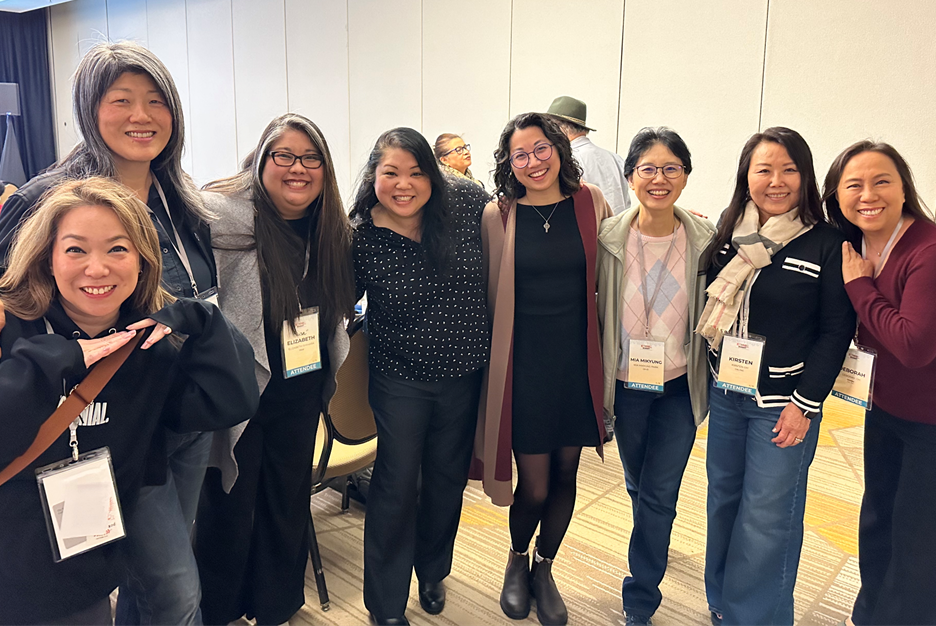
Pictured at the Ethnic Ministries Summit: Revs. Anna Cho, Wongee Joh, Lisa Ishihara, Karen Yokota Love, Karyn Richards-Kuan, Mia Mikyung Park, Kirsten Oh, Deborah Oh
Together with you,
Pastor Karyn